
No products added!
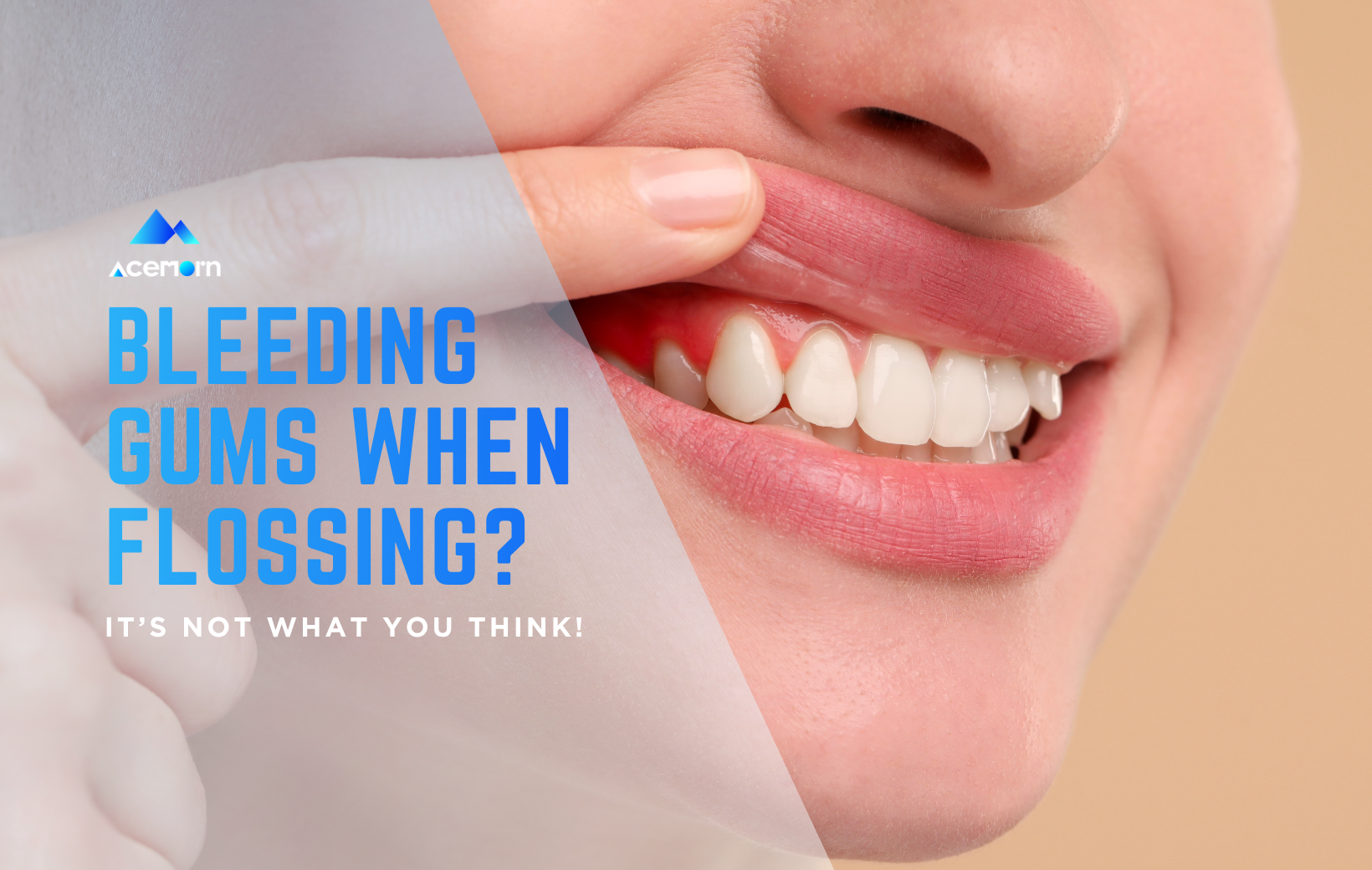
You’re brushing and flossing, trying to do the right thing, then you rinse and see a little blood. Your first thought might be: Is something wrong? Should I stop flossing? It’s happened to a lot of us. And Actually? It can be a bit alarming.
The short answer is this: bleeding gums are a sign you shouldn’t ignore, not a reason to stop cleaning. Understanding why it happens can help you take better care of your oral health and prevent more serious issues. Let’s unpack what’s really going on.
Is Bleeding Normal?
If you’re new to flossing or just getting back into it, light, occasional bleeding can happen. Think of it like starting a new workout, which means your gums need time to adjust to this new “exercise.”
But here’s an important distinction:
• Occasional, light bleeding: Common and often temporary
• Frequent or heavy bleeding: Your gums are sending an SOS.
If your gums bleed every time you floss or continue to bleed after a week of consistent care, it’s something you should pay attention to.
Why Do Gums Bleed?
- Plaque Buildup
When sticky gunk (plaque) builds up between teeth, it will irritate the gums and trigger inflammation.
- Early Gum Trouble (Gingivitis)
Inflamed gums turn red, puffy, and bleed easily. Think of it as a “check engine” light for your mouth.
- Flossing Too Hard
Using excessive force or applying too high water pressure may damage the sensitive gum tissue.
- Inconsistent Habits
Flossing occasionally instead of daily can lead to a large amount of bacteria growth, thereby making the gums more sensitive.
Should You Stop Flossing?
No. In most cases, stopping flossing will make the problem worse.
Instead:
• Keep cleaning daily and gently
• Try “soft mode” if using a water flosser
• Give your gums time to adjust
With consistent care, bleeding often reduces within a few days.
Why Water Flossing Can Be a Better Option
For many people, traditional flossing can feel difficult or uncomfortable, especially if their gums are sensitive.
This is where water flossing can make a difference.
Water flossers use a controlled stream of water to clean between teeth and along the gumline. Compared to traditional floss, they offer several advantages:
• Gentler on gums
• Easier to use
• More comfortable for beginners
• Effective at reaching difficult areas
Because of this, water flossing is often a great option for people who experience bleeding or discomfort with regular floss.
A Simpler, More Effective Oral Care Routine
While brushing and flossing together provide a more thorough cleaning effect, using multiple tools every day can feel inconvenient.
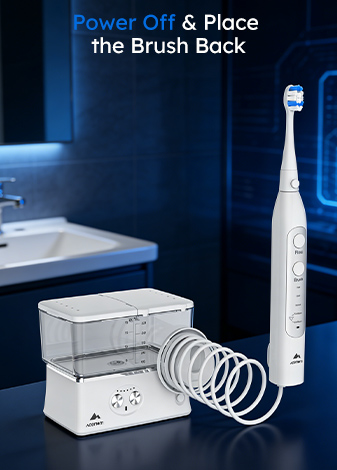
That’s why more people are turning to 2-in-1 oral care devices that combine an electric toothbrush and a water flosser in one. These make it easier to stick with a routine because you can brush and clean between your teeth at the same time.
With a Sonic-Matrix:
Save 2+ minutes daily—no device-switching
Get 360° cleaning—surface + gaps in one go
Gentle on gums—adjustable pressure settings
Stay consistent—simplicity = habit success
The Real Takeaway
Bleeding gums? Don’t ignore them, but don’t fear them either.
With gentle, daily care (and maybe a smarter tool~), your gums can bounce back strong. Remember: “Brushing cleans your teeth; flossing saves your gums.”
P.S. If bleeding continues after 7-10 days of gentle care? Time to call your dentist.